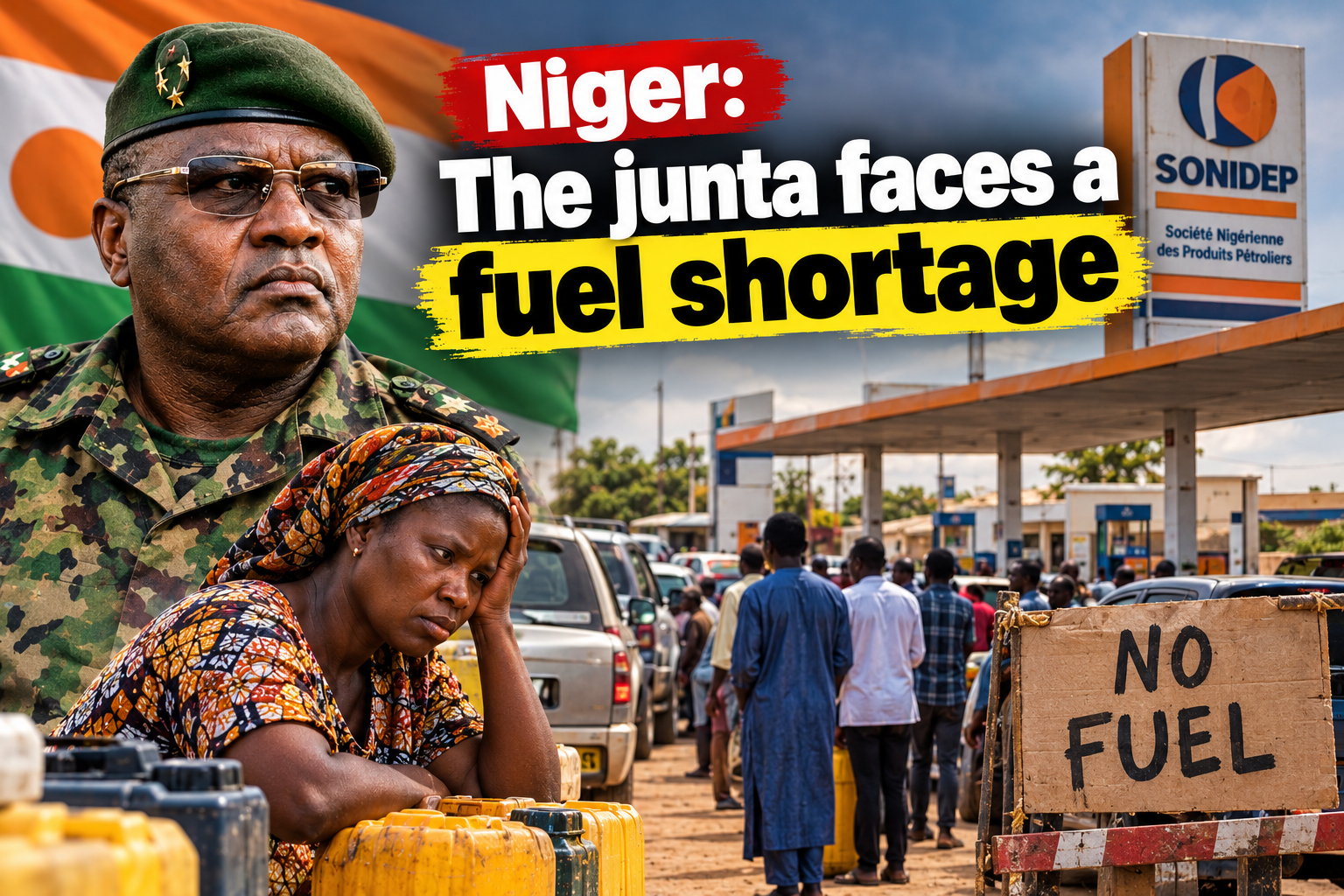
The recent fuel shortages in Niger have not only disrupted daily commutes and commercial activities in Niamey but also ignited a broader debate about the military government’s capacity to manage the country’s energy resources. As citizens grapple with unreliable access to essential fuel, the crisis underscores deeper questions about governance, economic sovereignty, and the tangible benefits of national resources.
The ripple effects of fuel scarcity on Niger’s economy
What began as sporadic supply disruptions has escalated into a systemic challenge, with fuel shortages now paralyzing transportation networks, stalling small businesses, and driving up operational costs for transporters. Taxi drivers face dwindling earnings, merchants struggle to transport goods, and families confront inflated prices for basic necessities. The cumulative impact on an already fragile economy threatens to widen social inequalities and deepen public discontent.
For a country endowed with significant oil reserves, the persistence of such shortages presents a stark paradox. While Niger’s oil production continues, the breakdown occurs in the critical stages of refining, storage, and distribution. The inability to translate natural resources into accessible fuel for the population raises urgent questions about the efficiency of domestic supply chains and the government’s role in overseeing them.
Governance under scrutiny: can the junta deliver?
The timing of this crisis could not be more politically sensitive. Following the 2023 military takeover, the transitional authorities pledged to restore national sovereignty, particularly in sectors like energy, as a cornerstone of their legitimacy. Yet, the current fuel shortages challenge this narrative, forcing citizens to question whether control over resources is translating into tangible improvements in their lives.
Public discourse now centers on accountability. Citizens demand clarity on stock levels, distribution bottlenecks, and the measures being implemented to stabilize supply. The lack of transparent communication further fuels skepticism, with many viewing the shortages not merely as logistical failures but as symptomatic of deeper systemic weaknesses in governance.
Economic sovereignty in question
Fuel is more than a commodity in Niger; it is the lifeblood of commerce, mobility, and essential services. Prolonged shortages not only erode purchasing power but also deter investment, undermine local entrepreneurship, and strain household budgets. The government’s ability to address these disruptions will be a defining test of its commitment to economic sovereignty a principle it has repeatedly championed since assuming power.
To regain public trust, authorities must adopt a two-pronged approach: immediate measures to alleviate shortages and long-term strategies to fortify the fuel supply chain. This includes auditing storage facilities, streamlining distribution networks, and investing in infrastructure to reduce dependency on volatile external supply chains. Transparency in these efforts will be equally critical in dispelling doubts about the junta’s capacity to deliver on its promises.
What lies ahead for Niger’s fuel crisis?
The path forward remains uncertain. While some stakeholders advocate for short-term fixes, such as importing additional fuel or subsidizing prices, others argue for systemic reforms to prevent future shortages. Whatever the solution, the urgency of the situation demands decisive action not just in restoring supply, but in demonstrating to the public that governance and resource management are finally aligned with their needs.
The coming weeks will be pivotal in shaping the narrative around Niger’s energy crisis. Will the government emerge with a plan that addresses immediate concerns while laying the groundwork for sustainable energy independence? Or will the shortages continue to undermine both economic stability and public confidence in the military’s leadership?
By Aïcha Abdou — Journalist